
Charting Your Retirement Journey
Tools, Books and other Resources

Tools
Mind Mapping
When I try to come up with new ideas, I brainstorm and get excited. Then somehow, a little bit later, I come back and feel like I’ve forgotten half of it. I’m frustrated because all those interesting ideas are suddenly lost. But at the same time, I know that if I had stopped and said, “wait, I’m gonna write this down because it’s important”, I would have completely broken the flow and I would not have gotten to the full potential of my ideas.
Mind mapping is a way to document, to structure your ideas as they come, without breaking the flow.
I’m sure many of you have heard of mind mapping and maybe even applied it. Here are some ways of using it.
Ideation
This is our first application. Using Mind Mapping to write down new ideas, on the fly, without breaking your flow.
You can do more than write them down, you can structure them as you go.
Say you are preparing a presentation. You go through different sources of information and your own knowledge. By mind mapping these ideas, as they come, you can create a flexible structure so that your notes become a first draft of the layout of your presentation.
Note-taking
It doesn’t have to be your own ideas, you can also write down information from a class or conference. The idea is to avoid trying to write it all down (you couldn’t keep up) and instead, saving the main ideas in a structured way. Creating your own interpretation will actually increase your understanding of the topic.
The visual end result will also become an anchor for your new knowledge. Somehow you remember how you built it and it helps in retaining the information.
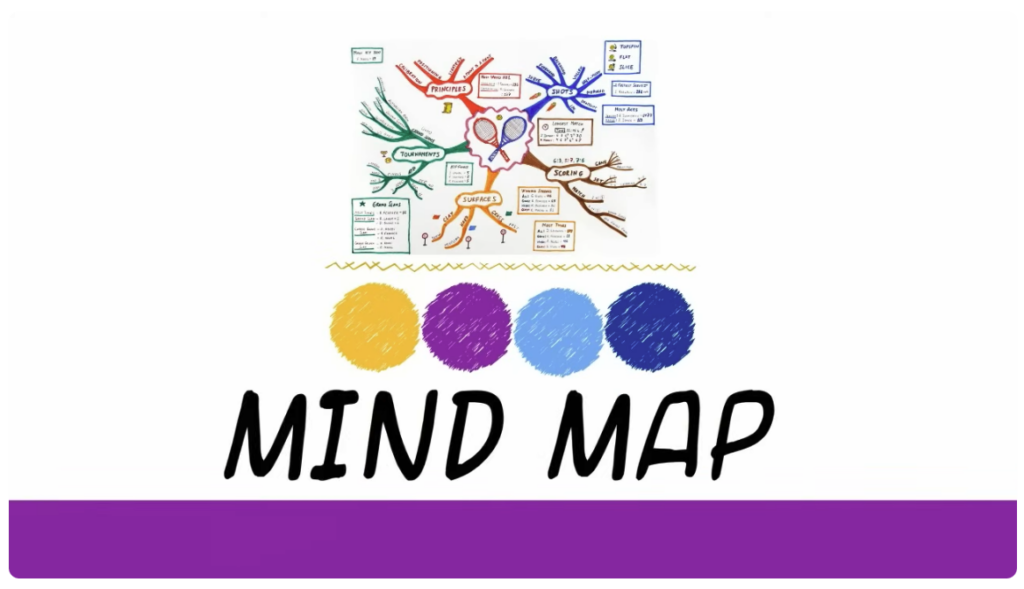
What does a mind map look like?
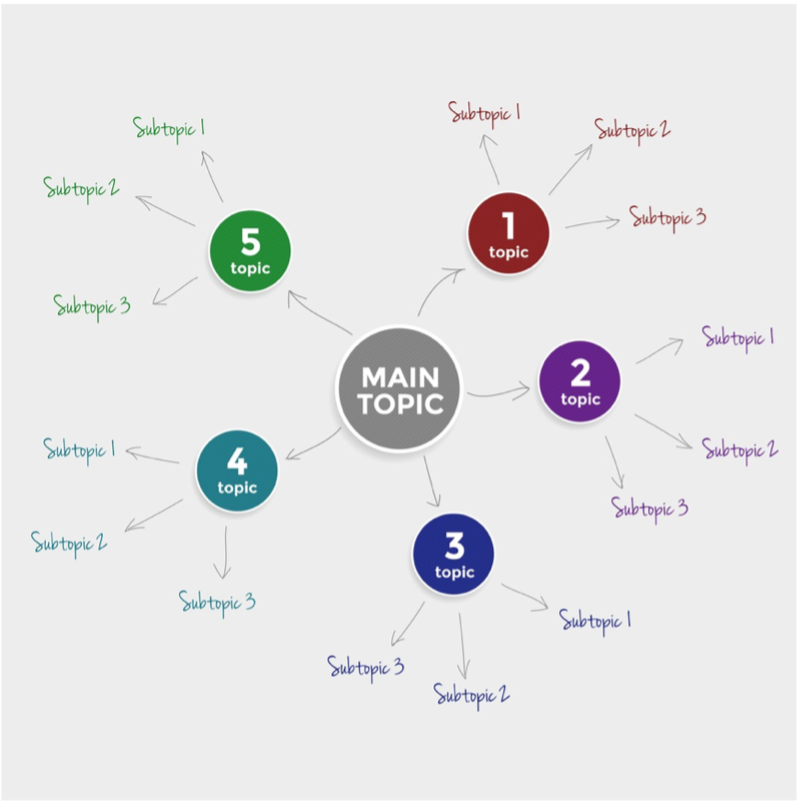
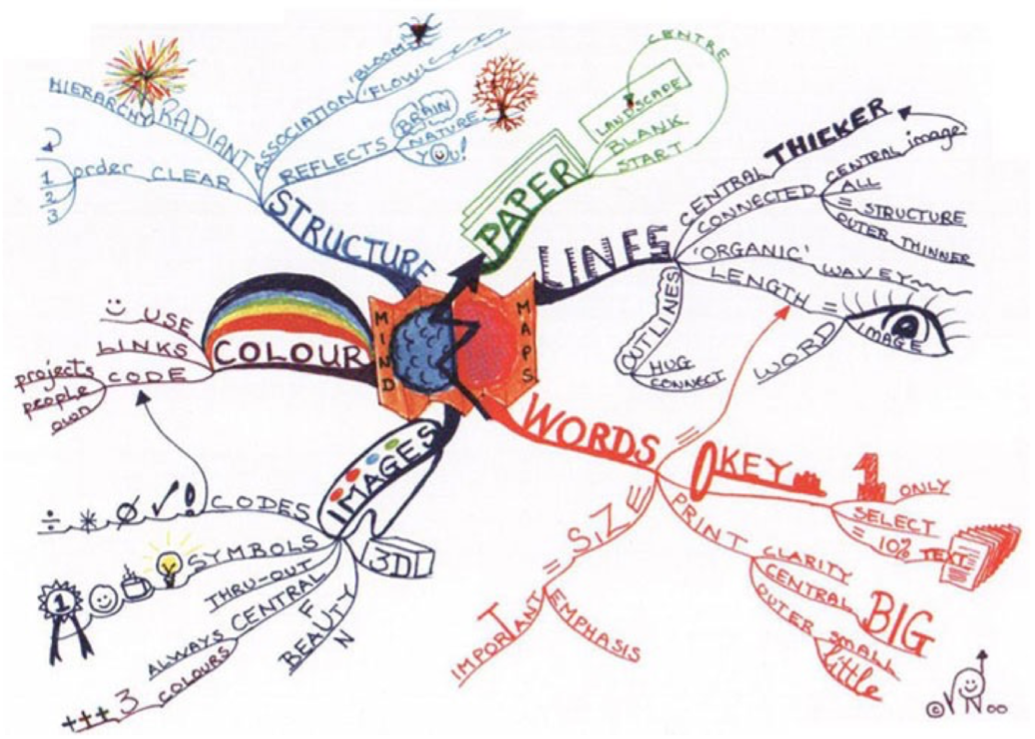
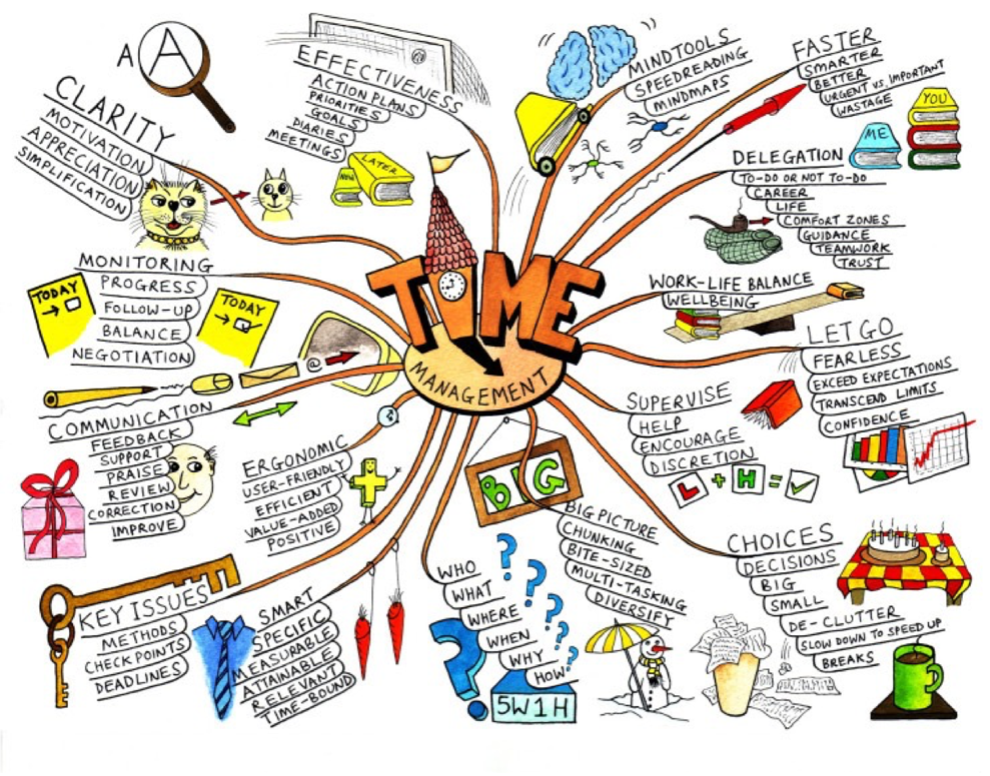
You have all seen one before. It is a web of concepts, with the main theme in the center, with categories and ideas, topics and subtopics, radiating from it.
Each person will have their own style, with words, drawings, colors, arrows.
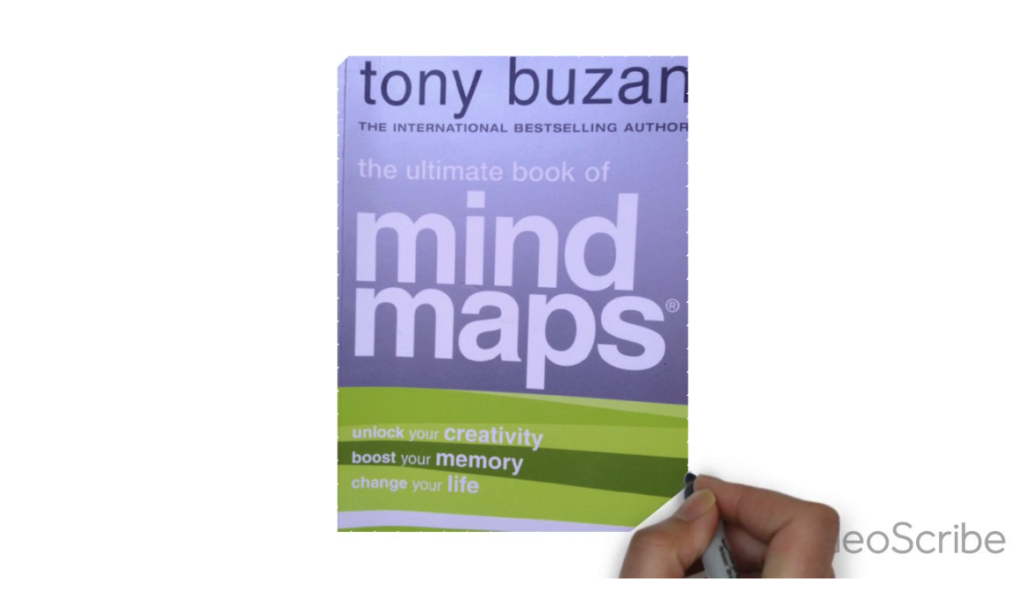
Check out a few video tutorials below.
Kanban Board
Exploration, evaluation, decisions, … You have to actually get things done.
In parallel to all the exercises and thought experiments, you have been doing things, such as networking, and research, for example.
All this can feel overwhelming.
Here is a down-to-earth tool to help you get organized, set priorities, follow what you need to do, what you are doing, and maybe more importantly, what you have done, your accomplishments.
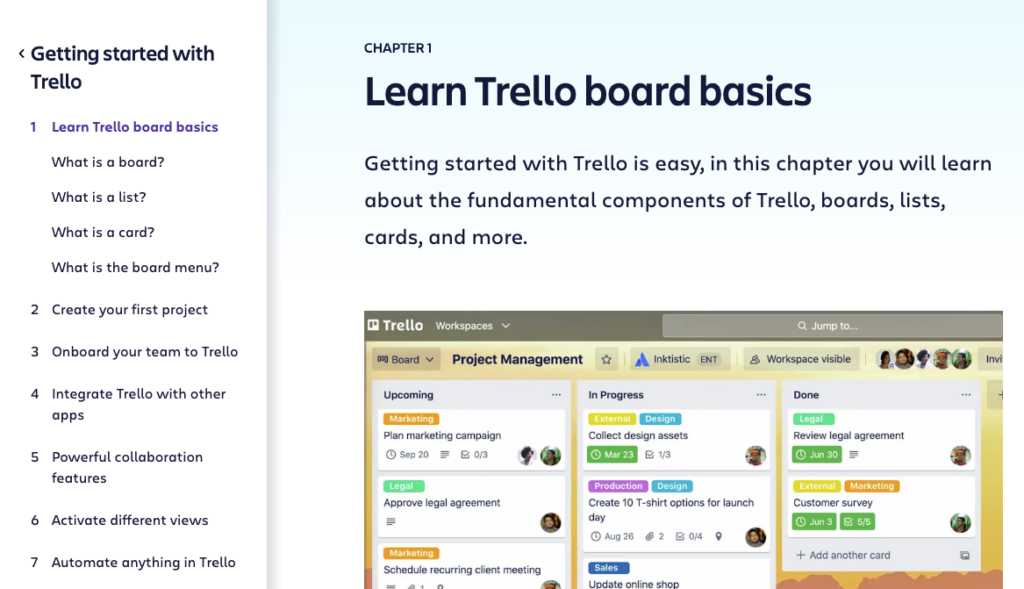
It is called a Kanban board. You might have used one at work.
We like to define the Kanban board as a complement to your to-do lists, maybe a meta-to-do list.
We both have extensive to-do lists with hundreds of elements in numerous categories and sub-categories. By putting everything down, you free your brain from a lot of the noise. Sometimes you lose the forest for the trees. You can no longer see the big picture. It also becomes hard to feel your progress. You check off numerous tasks, but are you moving closer to your goal?
You use the Kanban board at a higher level, for goals, not all the little tasks (I have to-dos for watering the plants).
See a few video tutorials on the right.

Books
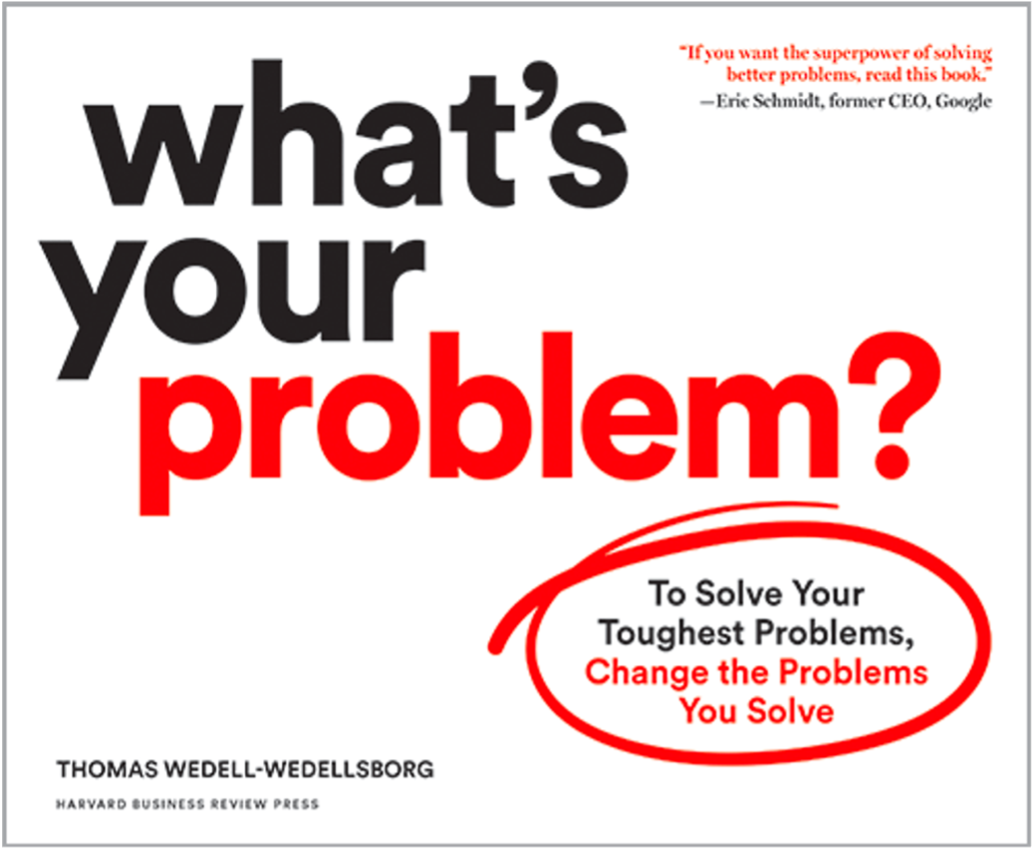
What’s your problem?
by Thomas Wedell-Wedellsborg
Harvard Business Review Press
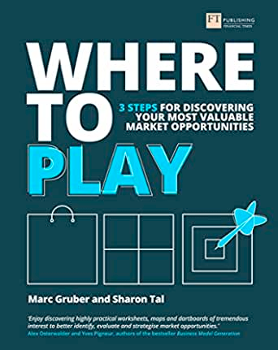
Where to play
By Marc Gruber & Sharon Tal
FT Publishing
Design Thinking
Design Thinking is a creative, non-linear, and highly iterative process that helps us truly understand people, question assumptions, reframe problems, and generate bold new solutions we can quickly prototype and test. It usually unfolds in five phases: Empathize, Define, Ideate, Prototype, and Test.
It shines when you’re facing challenges that are messy, ill-defined, or completely new—when a simple checklist or linear plan just won’t cut it.
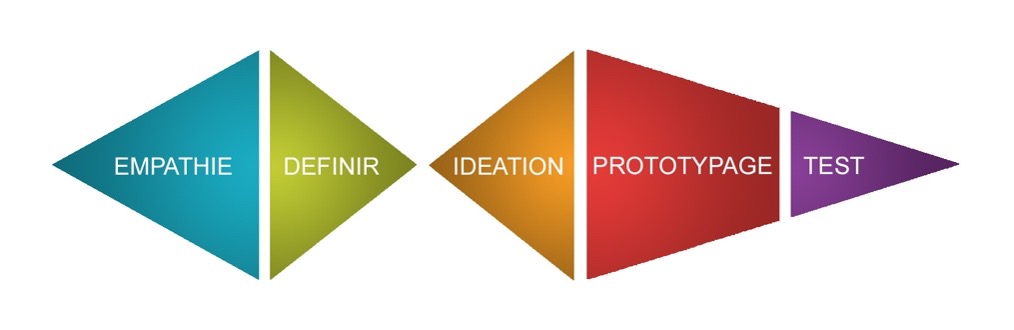
This book borrows directly from that spirit. In fact, it follows those five steps—with one extra step added at the beginning: Accept. Because when the work is about you and your own life, the very first move is acknowledging and accepting that there’s something you want to change, explore, or grow into.
If you’d like to dive deeper into Design Thinking itself, on the right are a couple of excellent books we recommend.
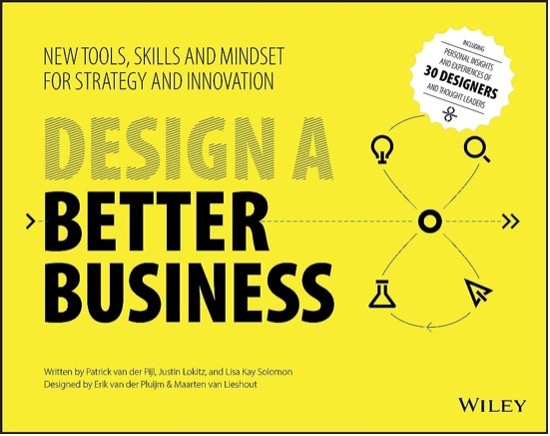
Design A Better Business
by Patrick van der Pit, Justin Lokitz, and Lisa Kay Solomon
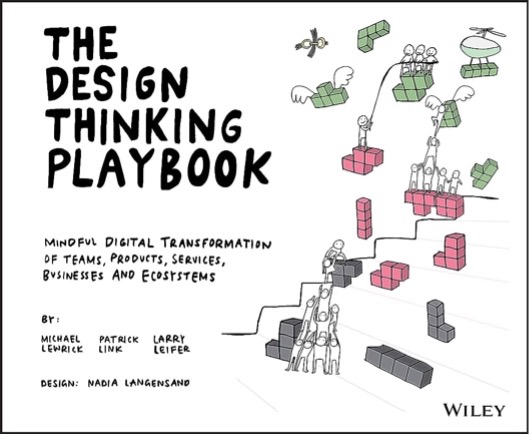
The Design Thinking Playbook
By Michael Lewrick, Patrick Link & Larry Leifer